By Ripon Rozario SJ
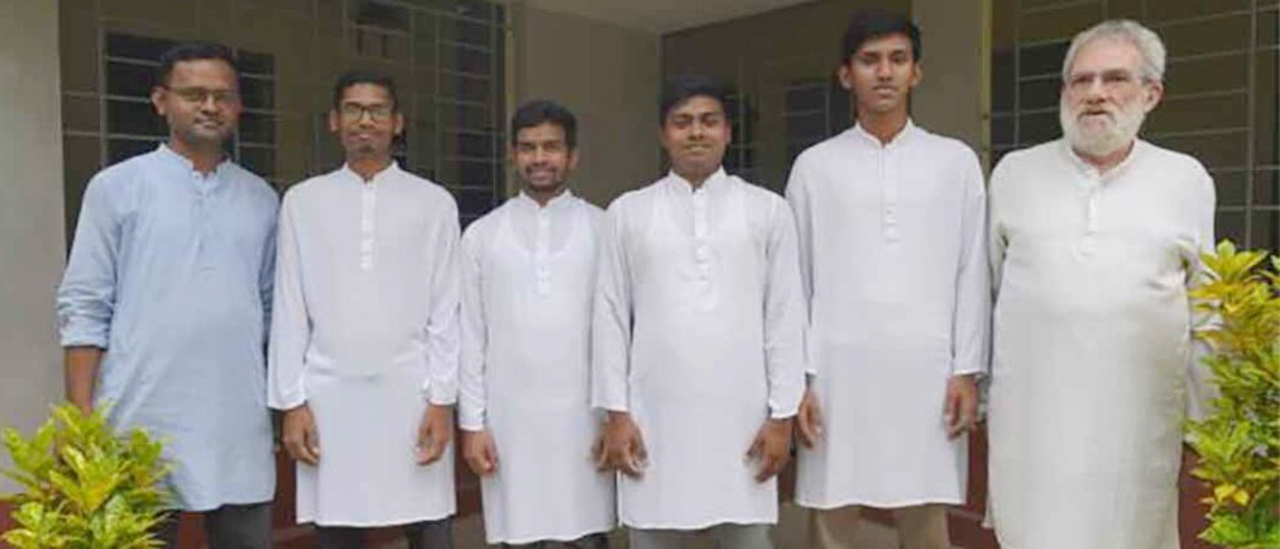
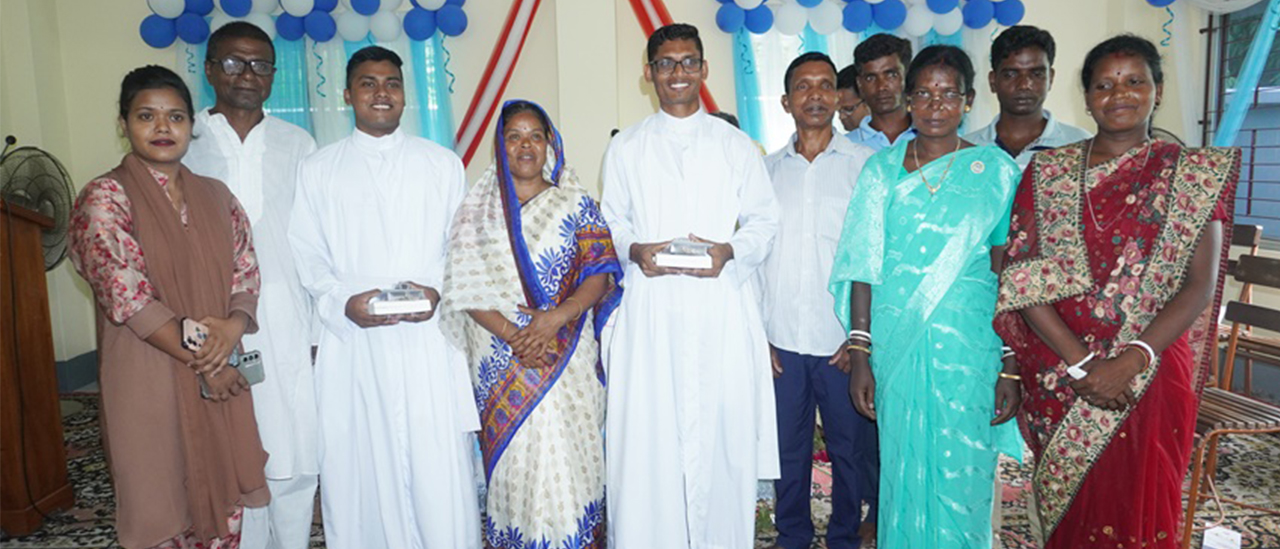
The Jesuit presence in Bangladesh is as old as the presence of the Christianity in the country and they were the first missionaries whose blood watered the soil of Bengal. Bangladesh, predominately a Muslim country, has a tiny presence of Catholics (0.4%), where Ignatian Spirituality is still quite unknown. Jesuits in Bangladesh, with their humble and tiny presence are making use of the ‘spirits’ of Ignatian Spirituality as tools to reach out many irrespective of their faith, caste or race. In this short write up, I focus on some of the important elements of Ignatian Spirituality that the Jesuits are using in their ministries in Bangladesh.
God is Labouring with and within Us
Bangladesh is one of the most densely populated countries in the world and prone to natural calamities. The afflicted and needy people often ask: “If there is God, why do we suffer a lot? Has God left us?” St Ignatius gives some insights to address this issue in the Spiritual Exercises (hereafter SpEx). Towards the end of the SpEx, he offers a meditation on “Contemplation to Attain the Love of God”. In this exercise, he suggests different ways in which we can become aware of God’s presence in our lives. Firstly, he portrays God as a ‘Giver of Gifts’ - gifts ranging from our existence, our personal talents, our relationships with Christ and God’s gift of himself to us. We can respond to God with love only when we recognize that ‘all is gift’.
Secondly, he asks us to see God dwelling in all his creatures - including me - in whom he is present as in a temple. God is not a distant entity rather he is closer to each one of us than we are to ourselves. The presence of God is not a passive presence, but God actively labours for us in all of his creation, and also labours in us for all of his creation. St Ignatius was not afraid of engagement with the world. Many jokingly say that St Ignatius loves big cities and public squares! He considers rather such involvements in all its possible dimensions as holy and sanctifying. Through these involvements one can unite oneself with God more concretely and can recognize God’s labour with and within oneself. This is considered as the fundamental dimension of Ignatian Spirituality. We are called to co-operate with God, who dwells actively within us and in all that he has created. In this way, we are able to accept the sufferings of life as we recognize the active presence of God even though we may not see that immediately – and even God is in all and all in God.
Sharing in Christ’s Mission
Being a minority group, the Church (including the Jesuits) caters to the need of all people irrespective of their creed. Many a time, non-Christians wonder: “What motivates the Church to reach out to all? What is her mission?” The Vatican Council II states, “The joys and hopes, the grief and anguish of the people of our time, especially of those who are poor or afflicted, are the joys and hopes, the grief and anguish of the followers of Christ as well” (The Church in the Modern World). The primary meaning that Ignatius gives to the word ‘mission’ is actively ‘to send’ or passively ‘to be sent’. Only secondarily it does signify the content that one is sent to do.
St Ignatius insists that Jesus’ relationship with his Father meant everything to him. His personal sense of identity, as well as the choices he made throughout his life, were based on this relationship. In the SpEx, especially in the meditation on the Incarnation, we find Jesus was sent by the Father to fulfil His will. Indeed, his identity and his mission are one. St Ignatius invites us to contemplate the gospels to learn the mind and values of Christ. Through discernment we discover the specifics of our mission. We then acknowledge our talents and abilities. Finally, we consider the signs of the times and begin the mission. Thus our mission becomes the mission of Christ, where the values of Christ take the centre, the vital point of our lives.
A Compassionate and Merciful God
A sizeable number of people in Bangladesh are illiterate and believe in superstitions. Many believe that their miseries are the punishments from God. Many people are even reluctant to face up their sinfulness. Their image of God is that of a stern judge or an avenging ruler. But St Ignatius portrays God as compassionate and merciful. In the SpEx, St Ignatius invites us to discover how to be a forgiven sinner. We don’t have to look for God’s forgiveness rather it is freely given. God’s compassion goes beyond our personal sins. This turns out to be deeply a consoling experience, one that reveals the unconditional love of God. Wherever there are people in suffering, or in pain, or treated unjustly, there is the God who identifies with them and desires to relieve them of their burdens. Christ’s Passion opens up this mystery for all. In our own pain- physical, psychological, or spiritual – we receive God’s compassionate love. Our life becomes more meaningful and joyful once we are convinced of this.
Instilling the True Self-worth
In the aftermath of COVID 19, the suicidal rates have increased tremendously among the youth in Bangladesh. A sizeable number of Catholic boys and girls have committed suicide in the recent past. The modern culture often conveys teachings and techniques that claim to bring us to self-fulfilment and inner happiness. The self-worth is often found with achievement and success. Many look to work to give meaning to their lives. When introduced to a stranger we tend to state what we do rather than reveal who we are. In spite of superficial signs of self-satisfaction, people today often have a lower self-esteem than they pretend. St Ignatius portrays God’s view of us as very different. He insists, “So God created humankind in his image, in the image of God he created them; male and female he created them” (Genesis 1:27). He saw that everything that God had created was “very good” - very worthwhile. Even sin cannot destroy that basic goodness. Furthermore, since we are good we are lovable and God deals with us accordingly. Generally, we consider ourselves special when we experience the genuine love of the other. Don’t we feel all the more special when we realize God’s love? Indeed. This is the truth about ourselves. On this foundation we begin our lives with confidence. We also become ambassadors of God, bringing the Good News to the people of our time.
Finally, as I draw the conclusion of this short write up, I am reminded of a statement of St Ignatius. Towards the end of the Autobiography of St Ignatius we read, “He made a solemn avowal ...that his devotion, that is, his ease in finding God was always increasing, now more than ever in his entire life. At whatever time or hour he wanted to find God, he found him” (99). Here we find the sixty-four-year-old Ignatius is speaking just before his death. He has come through a process of growth that included ‘his personal encounter with the Lord’. Thus we can say, “Finding God in all things” - it is a gift given to those who persistently seek God in spirit and in truth. This is what we, the Jesuits in Bangladesh try to live and covey to others in and through our ministries in a country where St Ignatius is still almost an unknown figure.